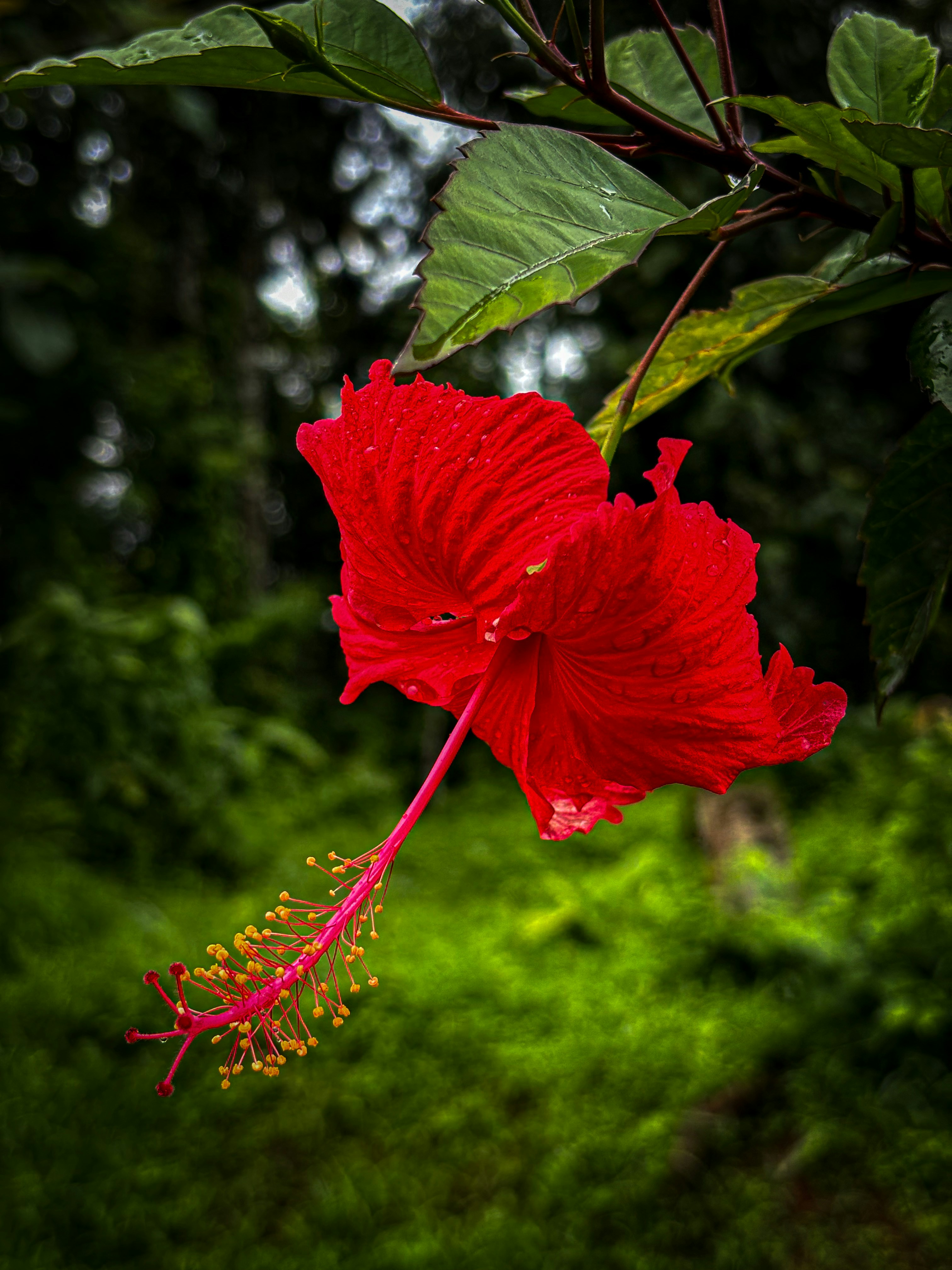
Introduction to Red Hibiscus
The red hibiscus, renowned for its striking and vivid appearance, is a flowering plant that captivates botanists and garden enthusiasts alike. Known scientifically as Hibiscus rosa-sinensis, this tropical plant is characterized by its large, trumpet-shaped flowers, often appearing in shades of red, which can add a pop of color to any garden or landscape. Beyond its aesthetic appeal, the red hibiscus holds significant cultural importance in numerous societies around the globe, symbolizing beauty, love, and even peace.
Learning about the red hibiscus is essential, as it plays multiple roles within various contexts. In ornamental gardening, the plant is a favorite among landscapers and home gardeners due to its resilience and ability to thrive in a variety of climates. Its lush foliage and vibrant blooms offer a lush backdrop for other plant species, making it a valuable addition to any garden. Furthermore, with proper care, the red hibiscus can bloom year-round in suitable environments, providing continuous color and vibrancy.
In addition to its ornamental value, the red hibiscus is acclaimed for its numerous health benefits. Traditional medicine practices have utilized parts of the plant for their potential medicinal properties, which include anti-inflammatory and antioxidant effects. Infusions made from hibiscus petals are often consumed as teas that not only offer refreshing flavors but are also associated with various health benefits, including improved cardiovascular health and enhanced digestion.
Moreover, the red hibiscus is deeply rooted in cultural symbolism. In many Pacific Island cultures, it is often used in ceremonial practices and is widely regarded as a symbol of hospitality. Across Africa, it is used in rituals and celebrations, reflecting its importance in fostering communal bonds. Understanding these cultural aspects enhances our appreciation of the red hibiscus, making it more than just a beautiful flower but a plant with profound significance in cultural identities and practices.
Botanical Characteristics of Red Hibiscus
The red hibiscus, scientifically known as Hibiscus sabdariffa, is a strikingly beautiful plant that captivates many with its vivid red flowers and lush foliage. These flowers typically have a trumpet-like structure, with five overlapping petals that radiate outward from a central tubular corolla. The petals are often a rich scarlet hue, creating a stunning visual appeal that attracts pollinators such as bees and hummingbirds. The red hibiscus blooms are not only ornamental but also serve various culinary and medicinal purposes, particularly in tropical and subtropical regions.
The leaves of the red hibiscus plant are equally noteworthy. They are generally large, glossy, and lobed, exhibiting a deep green color that contrasts beautifully with the brilliant red flowers. These leaves contribute to the overall health of the plant, capturing sunlight for photosynthesis and assisting in water retention. As the plant matures, it can grow to a height of 3 to 10 feet, depending on environmental conditions and cultivation practices.
Hibiscus plants belong to a diverse genus with numerous species, each exhibiting unique characteristics and preferences. For instance, Hibiscus rosa-sinensis, commonly known as the Chinese hibiscus, features a range of colors, including yellow, pink, and white, yet red varieties are especially popular. In contrast, Hibiscus syriacus, or rose of Sharon, is known for its hardiness and adaptability, thriving in a variety of climates. The native habitats of hibiscus species vary broadly; many species thrive in tropical regions, while certain types can endure cooler climates, showcasing their versatility.
Overall, the red hibiscus and its related species are not only valued for their aesthetic beauty but also for their adaptability to different climates and uses across cultures.
Growing Red Hibiscus: Conditions and Care
Growing red hibiscus successfully requires an understanding of its specific needs, including the ideal soil types, sunlight exposure, watering requirements, and fertilization strategies. Like many flowering plants, red hibiscus thrives in well-draining soil that is enriched with organic matter. A loamy soil mixed with compost or peat moss is highly recommended, as it provides the nutrients needed for robust growth.
When it comes to sunlight, hibiscus plants prefer full sun, which typically means they need at least six hours of direct sunlight each day. Insufficient light can lead to weak growth and poor flowering. If you are growing hibiscus indoors, consider placing them near south-facing windows to maximize their exposure to sunlight. Additionally, when planting outdoors, choose a location that is not shaded by trees or buildings, to ensure optimal light conditions.
In terms of watering, red hibiscus prefer consistently moist soil, but it is crucial to avoid waterlogging. The best approach is to water the plants deeply once or twice a week, allowing the top inch of soil to dry out between waterings. During hotter months, you may need to increase the frequency of watering, while in cooler seasons, reduce water accordingly. Mulching around the base of the plant can help maintain soil moisture and temperature.
Fertilization is vital for promoting healthy growth and abundant blooms. A balanced, slow-release fertilizer applied during the growing season can provide the necessary nutrients. It is advisable to follow the package instructions regarding the amount and frequency of application, as over-fertilization can harm the plant.
Lastly, being aware of common pests and diseases that can affect red hibiscus is essential for successful cultivation. Pests such as aphids, spider mites, and whiteflies can be troublesome, but they can often be managed with insecticidal soap or natural predators. Fungal diseases may also pose a risk, especially in humid conditions. Ensure proper air circulation around the plants and avoid overhead watering to mitigate such risks.
The Health Benefits of Red Hibiscus
Red hibiscus, known scientifically as Hibiscus sabdariffa, is not only admired for its vibrant color and floral aroma but is also cherished for its numerous health benefits, particularly when consumed in the form of tea or extracts. Traditionally utilized in various cultures for its medicinal properties, hibiscus has gained recognition in contemporary wellness circles for its potential health advantages.
One of the most notable benefits of red hibiscus is its ability to assist in lowering blood pressure. Studies have demonstrated that regular consumption of hibiscus tea can result in significant reductions in both systolic and diastolic blood pressure levels, making it an effective natural remedy for individuals with hypertension. This attribute is often attributed to the presence of anthocyanins, a type of antioxidant found in the petals of the hibiscus plant, which helps improve vascular health.
In addition to its impact on blood pressure, red hibiscus is rich in antioxidants, which play a crucial role in counteracting oxidative stress in the body. These antioxidants contribute to the detoxification process, aiding in the elimination of toxins and free radicals that can lead to chronic diseases. Furthermore, the anti-inflammatory properties of hibiscus may also contribute to reducing the likelihood of various ailments, promoting overall health and well-being.
Moreover, red hibiscus is often praised for its potential effects on cholesterol levels. Some studies have indicated that hibiscus extracts can help lower LDL cholesterol, commonly referred to as “bad” cholesterol, while simultaneously increasing levels of HDL cholesterol, or “good” cholesterol. This balance is vital in maintaining a healthy heart and reducing the risk of cardiovascular diseases.
Hibiscus tea is also known for its diuretic properties, which can aid in kidney function and the maintenance of healthy urinary tract health. By promoting increased urine output, it may assist in flushing out toxins from the body, further enhancing its detoxifying effects.
In summary, the consumption of red hibiscus, especially in the form of tea and extracts, holds a plethora of nutritional and medicinal benefits. From its potential to lower blood pressure and improve cholesterol levels to providing robust antioxidant support, red hibiscus serves as a valuable addition to a health-conscious lifestyle.
Culinary Uses of Red Hibiscus
Red hibiscus is not only known for its stunning color and ornamental value, but it also holds a prominent place in culinary traditions around the world. One of the most popular ways to enjoy red hibiscus is through the preparation of hibiscus tea, also known as karkadeh in some cultures. This refreshing herbal tea is made by steeping dried hibiscus flowers in hot water, resulting in a tart and vibrant drink that can be served hot or cold. To enhance its flavor, consider adding sweeteners like honey or sugar, and additional ingredients such as lime or ginger.
In addition to beverages, red hibiscus can be creatively integrated into various dishes. For instance, it can be used in salads to add both taste and color. A simple salad can be elevated by mixing fresh greens with dried hibiscus petals, citrus segments, nuts, and a zesty vinaigrette. The floral notes of red hibiscus complement the freshness of the greens, making it a delightful dish suitable for any occasion.
Another exciting culinary application of red hibiscus is in desserts. Hibiscus can be transformed into syrups or jams, which can then be used as toppings for cakes, pancakes, or yogurt. To make a hibiscus syrup, one can simmer dried hibiscus flowers with sugar and water until it thickens. The syrup can be drizzled over vanilla ice cream or used in cocktails for a unique twist.
For those looking to incorporate hibiscus into their everyday meals, consider adding dried hibiscus petals to rice dishes or grain salads for a pop of color and a hint of tart flavor. Additionally, blending hibiscus powder into smoothies can not only enhance the drink’s visual appeal but also contribute to its nutritional content.
By experimenting with these various culinary uses, one can enjoy the versatility of red hibiscus, creating beautiful and flavorful dishes that impress and satisfy.
Cultural Significance of Red Hibiscus
Red hibiscus, known for its striking beauty and vibrant color, holds a significant place in various cultures across the globe. Its cultural meaning is deeply rooted in traditions, festivals, and ceremonies, reflecting the values and beliefs of the communities that celebrate this exquisite flower.
In many tropical regions, red hibiscus is often featured in traditional ceremonies and festivals. For example, in Hawaii, it is regarded as a symbol of love and beauty, commonly worn in the hair by those wishing to signify their relationship status. A flower behind the right ear indicates that a woman is open to romantic pursuits, while placing it behind the left ear signifies that she is taken. This dual representation highlights the flower’s association with romance and attraction, further enhancing its cultural significance.
Similarly, in the Caribbean, red hibiscus is frequently used in local festivities and is steeped in folklore. The flower is sometimes associated with the goddess of love and beauty, emphasizing its role as a potent symbol of affection. The use of red hibiscus in festivals, alongside other vibrant floral displays, showcases its importance in celebrating life and community bonds.
Moreover, in countries like Vietnam, red hibiscus signifies resilience and the spirit of perseverance. It is commonly found in traditional art and literature, symbolizing the beauty that arises even in adversity. The flower also plays a pivotal role in various local herbal practices, linking its aesthetic value with its practical uses in medicine and nourishment.
Overall, the red hibiscus transcends mere decoration. It embodies deep emotional and cultural connotations that resonate through love, resilience, and community. Each bloom stands as a testament to the rich traditions and narratives that people weave around this beautiful flower, making it not just a sight to behold, but a significant cultural artifact.
Landscaping Ideas with Red Hibiscus
Red hibiscus, with its vibrant blossoms and lush foliage, serves as an excellent choice for enhancing garden aesthetics. When considering how to incorporate this stunning plant into your landscaping, it’s important to explore various design themes and planting combinations that can elevate the overall appeal of your outdoor space.
One popular approach to landscaping with red hibiscus is to create a tropical-themed garden. By pairing red hibiscus with other tropical plants such as palm trees, bird of paradise, and various ferns, you can create a lush, inviting environment that transports visitors to warmer climates. The bold red of the hibiscus blooms provides a striking contrast against the green foliage of other plants, making it a focal point.
In addition to tropical aesthetics, red hibiscus can also be used effectively in more structured garden designs, such as formal borders and hedges. Planting red hibiscus in a linear pattern along pathways or around patios provides a defined look while framing the space beautifully. For those who prefer a cottage-style garden, red hibiscus pairs wonderfully with plants like lavender, daisies, and echinacea, contributing to a whimsical yet harmonious look.
Care techniques are vital for ensuring that red hibiscus thrives in your landscape. Ensure they are planted in well-drained soil and receive full sun exposure for optimal blooming. Regular watering is important, especially during dry periods, but avoid over-watering to prevent root rot. Fertilization with a balanced garden fertilizer during the growing season also supports vibrant blooms and healthy foliage.
Companion planting can enhance the benefits of red hibiscus as well. Incorporating plants such as marigolds can deter pests, while herbs like basil can enhance flavor and fragrance in your garden. By understanding the interactions between different species, you can cultivate a thriving ecosystem that accentuates the beauty of your red hibiscus.
Environmental Impact of Hibiscus Species
The hibiscus plant plays a significant role in local ecosystems, especially in regions where it thrives naturally. Hibiscus species are known for their vibrant flowers, which are not only aesthetically pleasing but also critical for the survival of various pollinators. Bees, butterflies, and hummingbirds are particularly drawn to hibiscus blooms, as they serve as a crucial source of nectar and pollen. The presence of hibiscus plants contributes to the overall health of ecosystems by supporting these pollinator populations, which are essential for the reproduction of many other flora.
Moreover, hibiscus plants provide habitat and food for other wildlife, thus forming an integral part of the ecosystem. In addition to attracting pollinators, its leaves and flowers may serve as sustenance for certain herbivorous animals. Thus, hibiscus contributes to biodiversity, which is vital for resilient ecosystems. However, it is essential to consider the environmental impact of introducing hibiscus species to new areas, as some varieties can become invasive.
Invasive species pose a significant risk to local ecosystems by outcompeting native plants for resources and altering habitats. When hibiscus species are introduced outside their natural range, they can potentially disrupt local flora and fauna. For this reason, it is crucial to follow sustainable practices when cultivating hibiscus plants, particularly in areas where they may threaten native species. Gardeners and landscapers should opt for native hibiscus varieties or ensure that non-native species are managed appropriately to mitigate potential ecological harm.
In conclusion, while hibiscus plants play a valuable role in supporting local ecosystems and wildlife, careful consideration must be given to their introduction and management to prevent ecological imbalances. Promoting sustainable gardening practices can enhance the benefits of hibiscus while preserving the integrity of natural habitats.
Conclusion: Embracing the Red Hibiscus
In reviewing the myriad qualities of red hibiscus, it becomes evident that this plant is not merely a visual delight but also a powerhouse of nutritional and health benefits. Its vibrant petals add beauty to gardens and landscapes, while the various uses in culinary applications highlight its versatility. From refreshing teas to culinary dishes, red hibiscus can easily be incorporated into daily routines.
The health benefits of red hibiscus are noteworthy, including its potential to support cardiovascular health, reduce blood pressure, and provide antioxidants that combat oxidative stress. Its ability to enhance overall wellness is a testament to the plant’s importance not only in gardens but also in diets around the world. Additionally, with its cultural significance in many traditions, red hibiscus continues to play a pivotal role across various communities.
As we conclude this exploration into the beauty and benefits of red hibiscus, we encourage readers to consider the rewarding experience of growing this stunning plant at home. Whether through nurturing a small potted hibiscus or cultivating a larger garden, the journey can be immensely satisfying. Incorporating red hibiscus into your diet is equally rewarding, offering a delicious and healthful addition to beverages and dishes.
Overall, embracing red hibiscus can enrich our lives both visually and nutritionally. It is a splendid choice for those interested in enhancing their health, aesthetics, or cultural practices. By appreciating and utilizing red hibiscus, we can unlock its full potential and enjoy the numerous advantages it offers. Explore this remarkable plant, and discover how it can transform your wellness and environment.