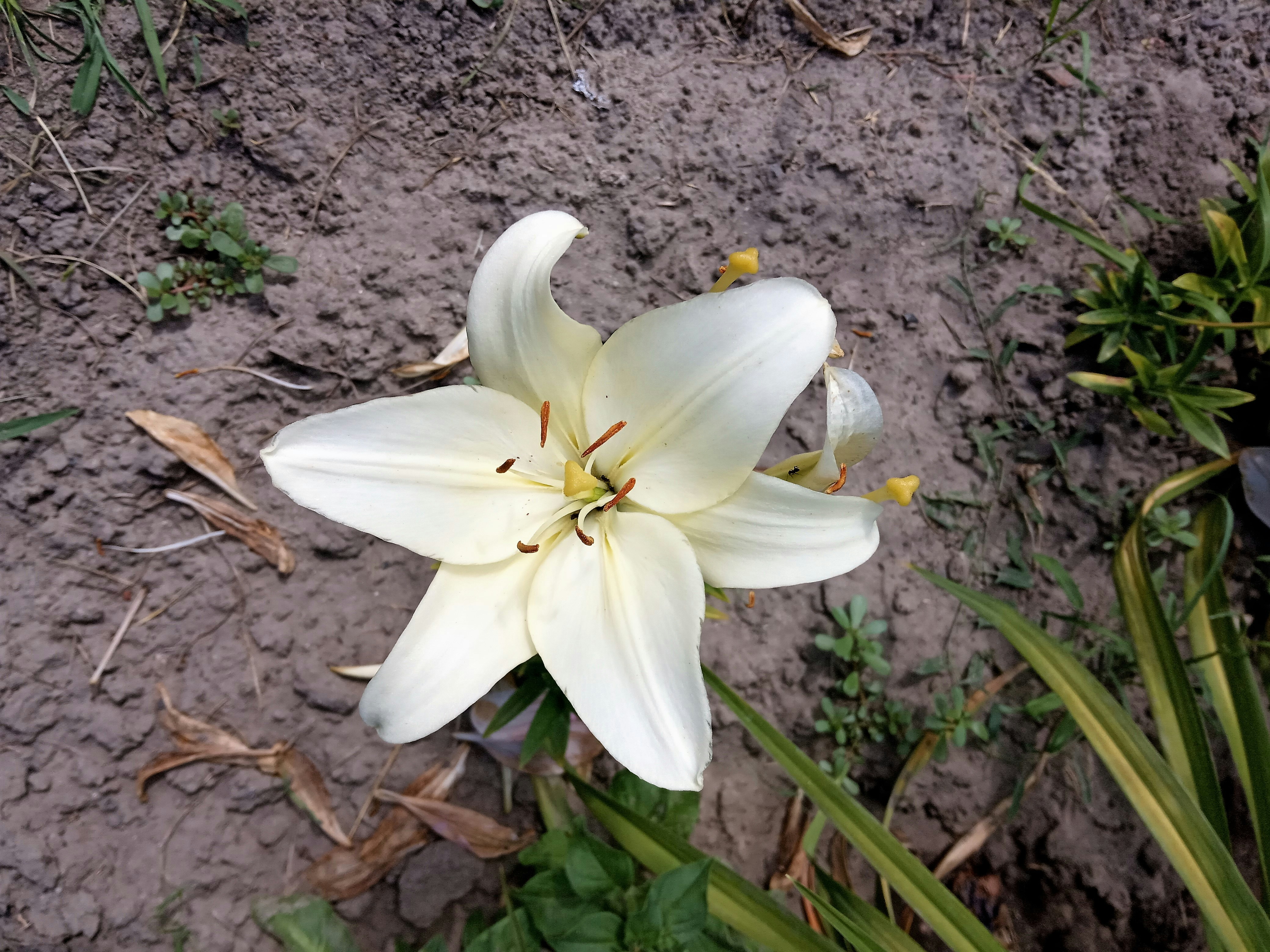
Introduction to the White Lily Garden
Creating a beautiful garden can elevate the aesthetic appeal of any outdoor space, and one of the most striking flowers to include is the white lily. Renowned for its purity and elegance, the white lily not only enhances the visual charm of a garden but also brings a sense of tranquility and serenity. With its graceful petals and subtle fragrance, this flower serves as a wonderful centerpiece that can transform ordinary landscapes into stunning enhancements.
For budget-conscious gardeners, the idea of cultivating a white lily garden is particularly significant. The white lily is a perennial flower, which means that once planted, it can return year after year, reducing the need for continuous replanting and associated costs. Choosing to integrate white lilies into your garden design ensures that you create a lasting impact without a significant financial investment. Moreover, they are relatively low-maintenance, requiring minimal effort to thrive, which is another advantage for those who want to save both time and money.
The benefits of a white lily garden extend beyond mere aesthetics. These flowers are also known to attract beneficial pollinators such as bees and butterflies, contributing positively to the ecosystem of your garden. This not only supports local wildlife but can also enhance the overall health of your garden environment. Incorporating white lilies into your planting scheme offers a fantastic opportunity to enrich both your outdoor space and the nature surrounding it.
This introduction serves as a starting point for those interested in cultivating their white lily gardens on a budget. It demonstrates that creating an elegant, inviting space does not always require significant resources, proving that with the right choices and planning, a stunning garden is well within reach for any gardening enthusiast.
Choosing the Right White Lily Varieties
Creating a garden with white lilies can be a rewarding endeavor. There are several varieties of white lilies, each possessing unique characteristics that can enhance the beauty of your landscape. The most common types include Oriental lilies, Trumpet lilies, and Asiatic lilies, among others.
Oriental white lilies, such as the ‘Casa Blanca,’ are renowned for their large, fragrant flowers and are perfect for adding elegance to any garden. They typically bloom in mid to late summer and prefer well-drained soil rich in organic matter. Similarly, Trumpet lilies, like ‘The White Knight,’ feature large trumpet-shaped blossoms that can reach impressive heights. These bloom from late summer to early fall and thrive in full sun, making them ideal for warm climates.
Asiatic lilies, including the ‘White Pixie,’ are also an excellent choice. They bloom earlier than both Oriental and Trumpet varieties, usually in late spring to early summer, and are characterized by their bright white petals and sturdy stems. Additionally, their growth requirements are less demanding, making them suitable for a wider range of garden settings.
When selecting white lilies, consider your local climate and soil conditions. Some varieties may thrive better in cooler climates, while others prefer warmer temperatures. It is crucial to check the USDA Plant Hardiness Zone for your area and choose white lily cultivars that will flourish in those conditions. The soil pH should typically range from 6.0 to 7.0, and ensuring proper drainage is essential to prevent bulb rot.
In conclusion, by examining the unique attributes and growth needs of various white lily types, you can make informed choices that will lead to a stunning and budget-friendly garden. Prioritize selecting varieties that align with your local environmental conditions to maximize success and enjoyment in your gardening pursuit.
Planning Your White Lily Garden Layout
Designing an elegant white lily garden layout requires thoughtful planning and an understanding of the specific needs of this beautiful flower. White lilies thrive best in environments that allow for ample sunlight, adequate spacing, and compatible companion plants. This section will provide essential tips on how to effectively plan your white lily garden.
First and foremost, consider the amount of sunlight your garden will receive throughout the day. White lilies generally prefer full sun conditions, which means they need at least six hours of direct sunlight each day. Selecting a location that fulfills this requirement is crucial for promoting healthy growth and blooming. If your garden area has varying sun exposure, you might arrange your garden so that the taller plants, such as white lilies, are positioned to the north or east of shorter companion plants to avoid overshadowing them.
Next, spacing is a vital aspect of creating a white lily garden. White lilies should be planted approximately 12 to 18 inches apart. This distance not only allows for proper air circulation but also enables their blooms to be showcased beautifully in the garden. Overcrowding can lead to disease and hinder the growth of each lily. Additionally, when planning the layout, consider incorporating pathways that provide access to each section of the garden without trampling on the plants.
Companion planting is another effective strategy for your white lily garden. By positioning plants that not only complement the lily’s beauty but also enhance their growth, you can create a harmonious garden space. Consider planting white lilies alongside low-growing herbs like thyme or marigolds, which can help deter pests while adding color. Diagrams illustrating these effective layouts can greatly enhance visualization, helping to inspire a graceful arrangement for your white lily garden.
Ultimately, with meticulous planning around sunlight exposure, proper spacing, and consideration of companion planting, you can successfully design a stunning white lily garden that will flourish on a budget. These elements will not only enhance the aesthetic appeal but also ensure a vibrant and healthy garden environment.
Soil Preparation and Planting Tips
Creating an exquisite garden of white lilies begins with the right soil preparation. Proper soil conditions are vital for ensuring the health and growth of white lily bulbs. The first step in this process is assessing the soil pH, which should ideally range between 6.0 and 6.8. You can test your soil using a commercial pH kit or by sending a sample to a local extension service. If your soil’s pH is too low (acidic), you can amend it by adding lime; conversely, if it is too high (alkaline), incorporating sulfur can help lower it.
Next, consider the drainage capabilities of your soil. White lilies prefer well-draining soil to prevent rot, especially during the wet season. If your garden has heavy clay or compacted soil, you might need to amend it with organic matter such as compost or peat moss. This not only improves drainage but also enhances the nutrient content of the soil. Aim to mix these amendments thoroughly into the top 12 inches of soil.
After ensuring proper pH balance and drainage, it is crucial to enrich the soil with necessary nutrients. Conducting a soil test can provide valuable insight into your soil’s nutrient levels. Generally, white lilies benefit from a balanced fertilizer, particularly one high in phosphorus, which encourages root development and flowering. Incorporate a slow-release fertilizer into the soil according to package instructions before planting.
Once you have prepared the soil, it is time to plant your white lily bulbs. Dig holes that are two to three times the height of the bulb and space them about 12 to 18 inches apart. Place each bulb upright in the hole, covering it gently with soil. Water the area thoroughly after planting, ensuring the soil is moist but not saturated. This will give your white lilies a firm foundation to grow, ultimately leading to a stunning display in your garden.
Watering and Fertilizing Your White Lilies
Proper hydration and nourishment are crucial for the healthy growth of your white lilies. Understanding their watering needs and choosing the right fertilizers can significantly impact their development and flowering. Typically, white lilies prefer well-drained soil that retains some moisture without becoming waterlogged.
When establishing a watering schedule, consider the environmental conditions, such as temperature and humidity levels. During the growing season, white lilies generally require watering once or twice a week. This ensures that the soil stays sufficiently moist. However, during particularly hot periods, you may need to increase the frequency of watering. A good rule of thumb is to check the top inch of soil; if it feels dry, it is time to water.
In terms of the amount, aim for about one inch of water per week, including rainfall. It is best to water in the morning to minimize evaporation and allow the foliage to dry during the day, which helps prevent fungal diseases. If you notice the leaves wilting or the stems drooping, this could indicate a need for more water. Conversely, yellowing leaves or a mushy bulb may signify overwatering.
Fertilization also plays a vital role in the growth of your white lilies. Using a balanced, slow-release fertilizer in early spring can promote robust growth. Look for fertilizers high in potassium, as this nutrient is particularly beneficial for flowering plants. Applying a liquid fertilizer every four to six weeks can provide an extra nutrient boost when your lilies are actively growing.
Signs that your white lilies might need more fertilizer include pale or undersized blooms, as well as poor overall growth. On the other hand, if the tips of the leaves are browning or if there is excessive leaf growth with no flowers, it may indicate over-fertilization. Regular monitoring and adjusting your watering and fertilizing practices according to the plants’ responses will foster a flourishing white lily garden.
Maintaining Your White Lily Garden
To ensure a thriving white lily garden, proper maintenance practices are essential. An effective maintenance routine not only promotes healthy growth but also enhances the beauty of your garden. Deadheading, or the process of removing spent blooms, is a crucial aspect of maintaining your white lilies. By regularly deadheading, you encourage the plants to produce more flowers and prevent seed formation, which can divert energy from growing and want to bloom anew.
Weeding is another vital chore in maintaining a white lily garden. Weeds compete for essential nutrients and water, which can hinder the growth of your lilies. It is advisable to regularly inspect the garden and remove any weeds that appear. Applying a layer of mulch can also help suppress weed growth while retaining soil moisture.
Monitoring for pests and diseases is equally important in the upkeep of your garden. Common pests such as aphids and lily beetles can pose a significant threat to white lilies. Regularly inspecting the foliage for any signs of infestation allows for immediate intervention. Natural remedies, such as insecticidal soap or neem oil, can be effective in addressing these issues without causing harm to your garden.
In addition to pest control, keeping an eye out for diseases, like botrytis blight or bulb rot, is crucial. Early detection allows for better management and treatment, ensuring that your garden remains vibrant. Proper spacing between plants can also help improve air circulation, which reduces the likelihood of disease.
Throughout the seasons, adapt your maintenance practices to meet the changing needs of your white lily garden. For instance, during the growing season, regular watering is essential, especially in dry spells. Conversely, during the dormant winter months, reduce watering to prevent bulb rot. Implementing these strategies will help you maintain a stunning white lily garden that flourishes year after year.
Seasonal Care and Tips for White Lilies
Caring for white lilies requires attention throughout the changing seasons to ensure their growth and blooming potential. By following a structured approach that aligns with seasonal changes, gardeners can cultivate vibrant and healthy flowers.
Spring: As winter comes to an end, white lilies start to emerge from dormancy. This is the ideal time to clean up the garden by removing any debris that may have collected during the colder months. Applying a balanced fertilizer will provide the necessary nutrients to support new growth. Regular watering is essential, particularly if the spring is dry, but be cautious of overwatering, which can lead to rot. Monitoring for pests during this season is also crucial, as aphids are known to affect young foliage.
Summer: Summer is the peak growing season for white lilies, characterized by lush foliage and the development of flower buds. To promote optimal growth, ensure that they receive adequate sunlight—aiming for at least six hours of direct sun per day. Maintain consistent moisture in the soil, allowing it to dry slightly between waterings. This is also the time to deadhead spent blooms to encourage further flowering and to prepare plants for potential summer heat stresses. Add a layer of mulch around the base to help retain soil moisture and suppress weeds.
Fall: As temperatures begin to cool, it’s time to prepare your white lilies for the winter months. When the foliage starts to yellow, it is a sign to stop watering as the plants enter dormancy. You can cut back the stems, but do remember to leave a few inches to prevent damage to the bulbs. Adding compost or organic matter to the soil in the fall can fortify the ground’s nutrients in preparation for spring. In colder climates, consider adding a protective layer of mulch or straw to insulate the bulbs from freezing temperatures.
Winter: During winter, white lilies are in a dormant state. It is essential to keep an eye on the bulb area, ensuring there is no water accumulation or thawing and freezing cycles that could harm the bulbs. Ensuring the mulch remains intact will provide the necessary protection to maintain bulb integrity without exposing them to harsh weather conditions.
By following these seasonal tips for white lily care, gardeners can enjoy the beauty of flourishing lilies while adhering to budget-friendly gardening practices. Regular check-ins based on this seasonal checklist will enhance the overall success of your white lily garden.
Common Challenges and Solutions in Lily Gardening
Growing a vibrant white lily garden can be a rewarding endeavor, yet it comes with its set of challenges. Understanding these common issues can help gardeners effectively manage their plants and ensure a successful flowering season. One of the foremost challenges faced by those cultivating white lilies is the presence of pests. Aphids, thrips, and beetles are notorious for targeting lily varieties, leading to unsightly damage and potentially stunted growth.
To combat these pests, regular monitoring of the plants is essential. Organic insecticidal soaps can be effective in managing pest populations without harming beneficial insects. Additionally, introducing natural predators, such as ladybugs, can further help in maintaining a balanced ecosystem within the garden. Proper sanitation of the garden space, including the removal of debris and fallen petals, also aids in minimizing pest infestations.
Adverse weather conditions pose another significant challenge in lily gardening. Excessive rain can result in waterlogged soil, which may lead to bulb rot. Conversely, extreme heat might cause wilting or delayed blooming. To combat these environmental factors, gardeners should ensure that white lilies are planted in well-draining soil and positioned in a location that receives adequate sunlight while being sheltered from harsh winds. Utilizing mulch can help maintain soil moisture levels during dry spells and prevent weeds that compete for nutrients.
Another preventative measure includes monitoring soil pH and fertility. White lilies thrive in slightly acidic to neutral pH levels. Performing a soil test can provide insights into necessary amendments, allowing for better growth conditions. By implementing these practical solutions and remaining vigilant, gardeners can successfully navigate the common challenges associated with white lily cultivation, leading to a flourishing garden that showcases their beauty and elegance.
Conclusion: Enjoying the Beauty of Your White Lily Garden
Creating a stunning and elegant garden filled with white lilies is not only achievable but can also be done on a budget. This article has explored various strategies to cultivate a beautiful white lily garden while being mindful of expenses. The primary focus has been on selecting affordable yet high-quality plants, employing cost-effective gardening techniques, and maintaining a well-planned budget that accommodates your gardening desires.
As you embark on the journey of establishing your own white lily garden, the enjoyment derived from nurturing these beautiful flowers can be both fulfilling and rewarding. By implementing the tips discussed, you can create a serene environment in your backyard that exemplifies tranquility and elegance. Proper planning, coupled with an understanding of the growth patterns and requirements of white lilies, will ensure your garden flourishes year after year.
Moreover, the knowledge gained from this article empowers you to expand your gardening skills beyond just white lilies. Exploring different varieties and gardening techniques not only introduces greater diversity into your garden but also fosters a deeper appreciation for nature. As you cultivate your white lily garden, you may find inspiration to further personalize your outdoor space, perhaps experimenting with companion plants or varied landscaping styles.
Encouraging readers to engage with the gardening community can also enhance their learning experience. Online forums, local gardening clubs, and garden centers often provide invaluable resources and support systems. They can offer advice tailored specifically to your local climate and soil conditions, helping you cultivate the most beautiful white lily garden possible.
In conclusion, transforming your garden into a magnificent sanctuary filled with white lilies is not only feasible but can also be a source of immense joy. By following the insights shared, embracing creativity, and pursuing further knowledge, you will relish the beauty of your white lily garden for years to come.