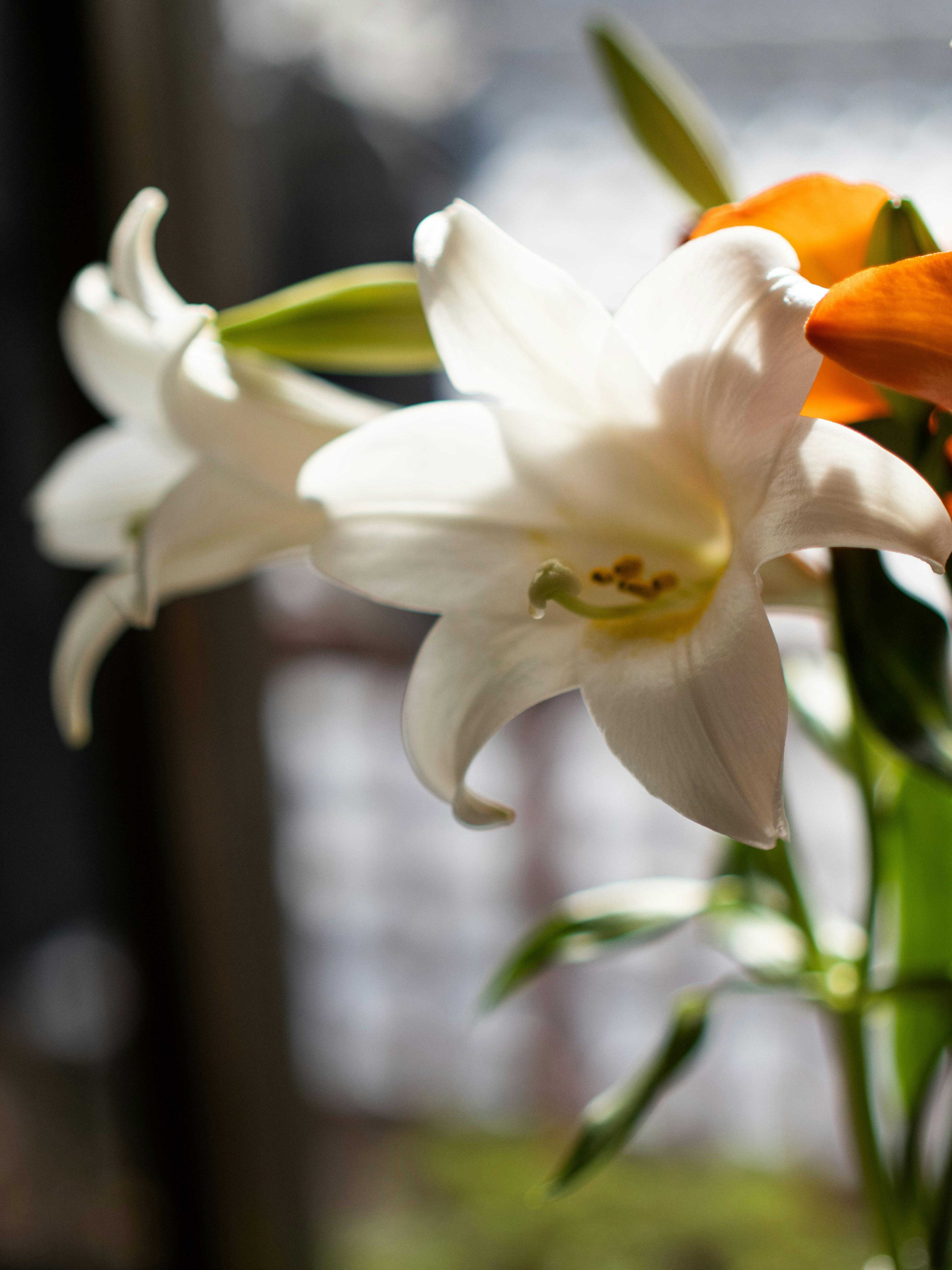
Introduction to the Enigmatic Blue Lily
The blue lily, often celebrated for its striking beauty and unique coloring, is a flower that captivates both novice and experienced gardeners alike. Known scientifically as Agapanthus, this perennial plant is not merely a visual delight; it embodies a rich tapestry of symbolism and significance in horticulture. Its vibrant blue blooms make it a popular choice in gardens, adding depth and vibrancy to any landscape.
Understanding the blue lily is crucial for gardeners seeking to enhance their green spaces. This flower thrives in a variety of conditions and climates, making it a versatile addition to gardens worldwide. Whether used in borders, containers, or as a focal point in a flower bed, the blue lily’s adaptability makes it suitable for different gardening styles, from formal to cottage gardens.
Moreover, the blue lily carries cultural significance across the globe. In various cultures, it symbolizes purity, tranquility, and peace, further enhancing its appeal to gardeners aiming to create a serene outdoor environment. Familiarity with the blooming period, preferred soil types, and suitable climate conditions can empower gardeners to cultivate this exquisite flower successfully.
Whether you are embarking on your gardening journey or have a wealth of experience, delving into the secrets of the blue lily can yield rewarding results. Knowledge of its watering needs, sunlight preferences, and pest resistance will not only contribute to its flourishing but also grant you deeper appreciation for its beauty. In the subsequent sections, we will explore these aspects in detail, offering insights that can transform your gardening practices.
The Unique Characteristics of the Blue Lily

The blue lily, known for its captivating beauty, boasts distinct physical traits that set it apart from other varieties of lilies. One of the most striking features of this plant is its unique coloration. The petals typically exhibit a stunning range of bluish hues, from deep sapphire to lighter shades of azure, which can create a mesmerizing spectacle in any garden.
The shape of the blue lily is equally remarkable. Its petals are usually elongated and slightly recurved at the tips, which adds to its elegant appearance. This structure allows the flower to catch the light beautifully, enhancing the vibrant colors. Additionally, the blooms can be large and cup-shaped, often reaching several inches in diameter. The rich green foliage, which forms a backdrop for the stunning flowers, is lanceolate in shape and can grow quite tall, further accentuating the blooms’ display.
In terms of growth patterns, the blue lily typically flourishes in specific conditions that ensure optimal development. These plants thrive in well-draining soil that retains some moisture, and they prefer full sun to partial shade. When planted in suitable conditions, the blue lily can grow to impressive heights, often exceeding three feet. Flowering generally occurs during the late spring to early summer, making it a delightful addition to seasonal gardens.
The blue lily’s unique characteristics—its enchanting colors, graceful shape, and particular growth requirements—underline why this flower is a favorite among gardeners. Its ability to stand out in a garden setting is a blend of beauty and uniqueness, appealing to those seeking to cultivate a visually striking landscape. By understanding these traits, gardeners can appreciate the blue lily not merely as a flower, but as a noteworthy specimen that enriches biodiversity in garden spaces.
The Ideal Growing Conditions for Blue Lilies
To successfully cultivate blue lilies, it is essential to understand their ideal growing conditions. These stunning plants, known for their vibrant color and unique beauty, thrive best in specific climate, soil, and light conditions.
Firstly, blue lilies flourish in temperate climates, characterized by moderate temperatures and seasonal changes. They prefer areas where summer temperatures do not exceed 85°F (29°C) for prolonged periods. Additionally, frost should be avoided, as it can damage the delicate blooms. It is advisable to plant blue lilies in regions where the winters are mild, enabling them to enter dormancy without suffering extensive damage.
Soil composition plays a critical role in the growth of blue lilies. They favor well-draining, loamy soil rich in organic matter. A pH level between 6.0 and 7.5 is ideal for these delicate flowers, as this range supports optimal nutrient uptake. To improve soil quality, gardeners can incorporate compost or well-rotted manure into the planting area before sowing. This not only enhances soil fertility but also promotes better drainage, which is crucial, as blue lilies are sensitive to waterlogged conditions.
Light conditions are another factor to consider when growing blue lilies. These plants thrive in full sun to partial shade, requiring at least six hours of direct sunlight daily. In regions with extremely hot summers, providing some afternoon shade can prevent the foliage from scorching. Growers should choose a location that is sunny yet does not allow the plants to become overheated.
To create the perfect environment for blue lilies, careful attention must be paid to watering as well. Consistent moisture is necessary, particularly during flowering, but be cautious not to overwater. Mulching around the base of the plants can help retain soil moisture and regulate temperature, contributing to a healthier growth environment.
Common Mistakes Gardeners Make with Blue Lilies
Blue lilies, known for their striking beauty and vibrant colors, can be a stunning addition to any garden. However, many gardeners make mistakes in their care that can hinder the growth and vitality of these plants. Identifying these common errors is the first step toward providing proper care.
One frequent mistake is improper watering. Blue lilies require well-draining soil and can become susceptible to root rot if overwatered. Conversely, underwatering can lead to wilting and stunted growth. It is crucial for gardeners to establish a consistent watering schedule, ensuring that the soil remains moist but not soggy. Checking the moisture level regularly can help prevent these issues.
Another common error involves pruning. Gardeners may either prune too early or too late in the season, which can negatively affect the plant’s blooming cycle. Pruning should be done after the flowering period to allow the plant to store energy for the next bloom. Additionally, removing dead or yellowing leaves promptly can promote air circulation, reducing the risk of disease while encouraging new growth.
Fertilization practices also play a significant role in the health of blue lilies. Many gardeners either neglect to fertilize or use too much, both of which can cause nutrient imbalances. It’s advisable to use a balanced, slow-release fertilizer designed for flowering plants, applying it during the early growing season. This ensures that the blue lilies receive the nutrients they require for robust growth and vibrant blooms.
Lastly, failing to consider the plant’s light requirements can lead to poor growth. Blue lilies thrive in full sun but can tolerate partial shade. Gardeners must assess the lighting conditions in their gardens and place their lilies accordingly, ensuring they flourish in an environment that promotes their health and beauty.
Propagation Techniques for Blue Lilies
Understanding the methods of propagating blue lilies is crucial for gardeners wishing to expand their collection or share this stunning plant. There are two primary techniques for propagating blue lilies: seed sowing and division. Each method has its own set of steps that can lead to successful reproduction.
Seed Sowing: To propagate blue lilies from seeds, one should start by collecting seeds from mature flowers once they have dried. The seeds can be sown either indoors or outdoors, depending on the climate and the gardener’s preference. If seeds are started indoors, it is beneficial to use a seed-starting mix, as it provides optimal drainage and aeration.
1. Preparation: Fill seed trays with the seed-starting mix and moisten it. This ensures that the seeds have a suitable environment for germination.
2. Sowing: Scatter the seeds lightly over the soil surface and cover them with a fine layer of the mix, about 1/4 inch deep.
3. Watering: Gently water the trays to avoid displacing the seeds. It’s crucial to keep the soil consistently moist but not soggy.
4. Light: Place the trays in a warm location with indirect light. A greenhouse or a sunny windowsill is ideal. Germination typically occurs within a few weeks.
Division: Dividing blue lilies is another effective method for propagation, especially if the plants have become overcrowded over time.
1. Timing: The best time to divide blue lilies is in the spring or fall when the plant is not in bloom.
2. Excavation: Carefully dig around the base of the plant, taking care not to damage the roots.
3. Separation: Once excavated, the clump can be split into smaller sections, ensuring that each division has a healthy share of roots.
4. Replanting: Replant the divisions immediately at the same depth they were previously growing. Water thoroughly after planting to establish root contact with the soil.
By following these methods for propagating blue lilies, gardeners can foster robust plants that enhance their landscapes and bring beauty to their gardens.
Caring for Blue Lilies: Best Practices
Caring for blue lilies requires an understanding of their unique needs to thrive and flourish in a garden setting. Proper maintenance includes adhering to suitable watering schedules, appropriate fertilization, and effective pest control measures. This section aims to provide gardeners with essential practices that simplify the care regimen for blue lilies.
When it comes to watering, blue lilies prefer consistently moist soil, but overwatering can lead to root rot. It is advisable to establish a regular watering schedule, ideally watering once or twice a week depending on the climate and soil drainage. A good tip is to check the top inch of soil; if it feels dry, it’s time to water. Ensuring adequate drainage is also crucial, as this prevents standing water which can be detrimental to the plants.
Fertilization plays a significant role in the health of blue lilies. A balanced fertilizer, low in nitrogen and higher in phosphorus and potassium, is recommended to encourage blooming and strong root development. Application should occur in early spring as new growth emerges and then again in mid-summer for sustained support throughout the growing season. This practice fosters not only vibrant blooms but also robust plant vigor.
Pest control is another critical aspect of caring for blue lilies. Regularly inspecting the plants for signs of aphids, spider mites, or other common pests is vital. If detected, employing natural remedies such as insecticidal soap or neem oil can effectively manage infestations while being gentle on the environment. Additionally, introducing beneficial insects like ladybugs can naturally regulate pest populations.
In conclusion, maintaining blue lilies requires a thoughtful approach that encompasses proper watering, targeted fertilization, and vigilant pest management. By integrating these best practices into the gardening routine, enthusiasts can enjoy the stunning beauty of blue lilies in their gardens, ensuring that these remarkable plants thrive throughout their growing seasons.
Diseases and Pests Affecting Blue Lilies
Blue lilies, known for their vibrant color and aesthetic appeal, can be susceptible to a variety of diseases and pests that might jeopardize their health and vitality. Understanding these threats is essential for any gardener aiming to keep their blue lilies flourishing.
One of the most common diseases affecting blue lilies is botrytis blight, which is characterized by brown spots on the leaves and flowers, often followed by a fuzzy grey mold. This fungal disease thrives in humid conditions, making it essential for gardeners to ensure proper air circulation and avoid overhead watering to mitigate the risk. If botrytis blight is identified, removing infected plant parts and applying a suitable fungicide can help control its spread.
Another noteworthy disease is root rot, primarily caused by overwatering or poorly drained soil. Yellowing leaves and wilting are key symptoms to watch for in this condition. To prevent root rot, it is advisable to plant blue lilies in well-draining soil and adjust watering habits accordingly. In case of root rot development, the affected plants should be carefully removed from the soil, and healthy roots can be treated and replanted in fresh soil.
Besides diseases, blue lilies are also at risk from pests such as aphids and lily beetles. Aphids can cause stunted growth and distortions in the leaves, while larger pests like lily beetles feed on the foliage, resulting in significant damage. Regular inspections for these pests are critical. Should an infestation occur, insecticidal soap or neem oil can serve as effective treatments against aphids, while hand-picking or traps can assist in managing lily beetles.
Overall, proactive measures including proper cultural practices and regular monitoring can safeguard blue lilies from these common pests and diseases. By staying vigilant and taking the appropriate response when issues are identified, gardeners can enjoy the true beauty of their blue lilies while minimizing the impact of these concerns.
Companion Planting with Blue Lilies
Companion planting is a well-established gardening technique that focuses on growing different plants together for mutual benefit. When it comes to blue lilies, several companion plants can enhance their growth while boosting the overall aesthetics of your garden. These pairings not only provide visual appeal but can also improve health and productivity through natural pest control and improved soil conditions.
One of the ideal companions for blue lilies is the fern. Ferns thrive in similar moist conditions and provide a lovely contrast to the striking blooms of blue lilies. Their lush foliage can create an appealing backdrop, allowing the bright colors of the lilies to stand out. Furthermore, ferns can help retain soil moisture, which is beneficial for the water needs of blue lilies.
Another excellent companion plant is the astilbe. Astilbes prefer similar growing conditions, making them a perfect match for blue lilies. Their feathery, plume-like flowers bloom in different colors, which can beautifully complement the rich blue tones of the lilies. Besides their aesthetic benefits, astilbes can also contribute to a healthier garden by attracting beneficial pollinators such as bees and butterflies.
Additionally, consider incorporating daffodils as a companion plant. Daffodils offer the dual benefit of beauty and pest deterrence. Their natural repellent properties can help keep detrimental insects at bay, safeguarding your blue lilies. The vibrant yellow of daffodils creates a striking contrast to blue lilies, enhancing the garden’s visual appeal.
In summary, selecting suitable companion plants for blue lilies, such as ferns, astilbes, and daffodils, can contribute significantly to the vigor and beauty of your garden. These relationships foster a more vibrant ecosystem, encouraging healthier growth and infusing your outdoor space with diverse visual interest. Harnessing the potential of companion planting can transform your gardening experience, leading to a thriving and stunning garden environment.
Conclusion: Embrace the Beauty of Blue Lilies in Your Garden
In exploring the enchanting world of blue lilies, we have uncovered a variety of essential insights that can aid both novice and experienced gardeners. These remarkable plants not only add stunning visual appeal to any garden but also bring a sense of tranquility and beauty that is hard to replicate with other flower types. The unique characteristics of blue lilies make them a valuable addition to your floral arrangements and overall garden design.
As we have discussed, successful cultivation of blue lilies demands a proper understanding of their specific requirements regarding sunlight, soil type, and watering practices. By embracing these practices, gardeners can create an environment where blue lilies thrive, showcasing their stunning hues and breathtaking forms. It is crucial to note that while these plants are relatively low-maintenance, they do benefit from occasional care and attention which ensures their longevity and vibrancy.
We encourage you to experiment with blue lilies in your own gardens, perhaps starting with a small cluster to observe how they interact with the surrounding plant life. Through this hands-on experience, you can truly appreciate their beauty and versatility. Moreover, do not hesitate to explore further resources for gardening that delve into the care of blue lilies and other perennials; these materials can equip you with more knowledge to enhance your gardening skills.
In conclusion, the blue lily holds a unique charm that is both captivating and inviting. With the right approach to their cultivation and care, they can flourish in your garden, offering you and your visitors a spectacle of nature’s artistry. We hope this exploration has inspired you to embrace blue lilies and integrate them into your gardening endeavors, enriching your outdoor spaces with their majestic presence.